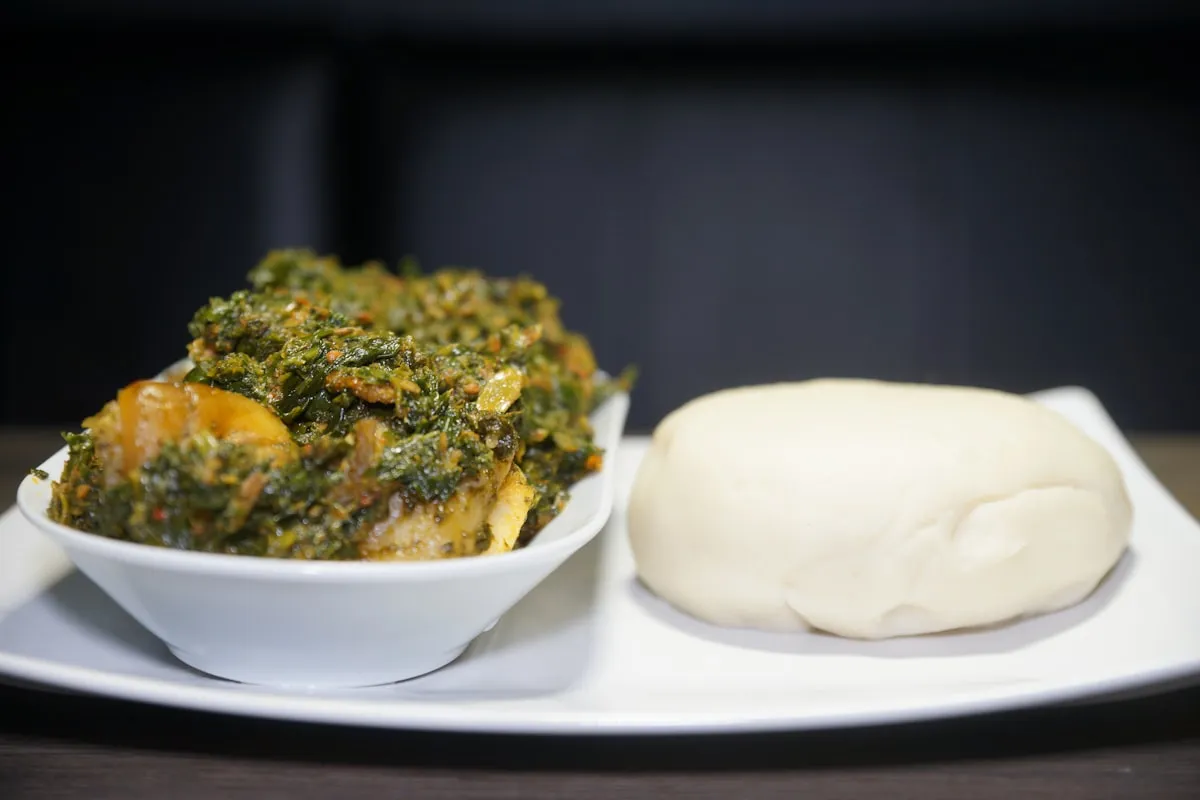
One of the best surprises of Cotonou is the food. Beninese cuisine doesn’t have the international fame of Senegalese or Ethiopian cooking, but it’s rich, varied, and deeply satisfying. After years of eating my way through this city, here’s my guide to getting the most out of the local food scene.
The Essential Dishes
Grilled Fish (Poisson Braise)
This is the signature meal of coastal Benin. Whole fish — typically tilapia, captain, or bar — grilled over charcoal and served with a piment (spicy sauce made from scotch bonnet peppers, tomato, and onion). Usually accompanied by semolina, yam, or fried plantains.
You’ll find grilled fish everywhere, from beach shacks to proper restaurants. The best spots are along the Fidjrosse beach road, where the fish comes straight from the morning catch.
Expect to pay: 2,000 to 5,000 FCFA (3 to 8 euros) depending on the size of the fish.
Pate Rouge
The most common everyday dish. Pate is a thick paste made from corn or cassava flour, served with a sauce — rouge (tomato-based) being the most popular. It’s filling, inexpensive, and you’ll see Beninese people eating it for lunch and dinner.
Eat it with your right hand, tearing off pieces and dipping them in the sauce. It’s a tactile, communal experience that’s worth embracing.
Agouti (Grasscutter)
Don’t let the name put you off. Agouti (also called grasscutter or aulacodes) is a large rodent that’s considered a delicacy across West Africa. The meat is lean, slightly gamey, and absolutely delicious when grilled or stewed. If you’re adventurous, this is the dish to try.
Wagashi
Wagashi is a fresh cheese made by Peul (Fulani) herders, grilled or fried and served with a spicy tomato sauce. It’s often eaten as a snack or appetizer. You’ll find women selling it at markets and along roadsides — look for the distinctive rectangular white blocks on a tray.
Bouillie and Beignets
The classic Beninese breakfast. Bouillie is a warm millet or corn porridge, sweetened and sometimes flavored with ginger or coconut. Pair it with beignets (fried dough balls) and you have the most satisfying 500 FCFA breakfast in the world.
Where to Eat
The Maquis
A maquis is an informal, often open-air restaurant. This is where most Beninese people eat, and it’s where you should eat too. The food is fresh, cooked to order, and incredibly cheap.
How it works:
- Sit down and someone will come to you
- The menu is often verbal — ask what’s available today
- Grilled fish, chicken, or meat with sides is the standard offer
- Beers are cold and cost 500 to 1,000 FCFA
- Pay in cash when you’re done
The atmosphere is relaxed and social. On weekends, many maquis have live music. This is Beninese culture at its most authentic.
The Market
For the most adventurous food experience, eat at the market. Small stalls inside and around Dantokpa serve everything from akassa (fermented corn dough) to tchoukoutou (local millet beer). Point at what looks good, sit on a bench, and dig in. Meals cost 300 to 1,000 FCFA.
Restaurants
Cotonou has a growing restaurant scene, particularly in neighborhoods like Fidjrosse, Haie Vive, and Les Cocotiers. You’ll find:
- Beninese fine dining — traditional dishes elevated with modern presentation
- French-influenced restaurants — the colonial heritage shows up in the food
- Lebanese and West African fusion — Cotonou’s Lebanese community has influenced the food scene
Budget 5,000 to 15,000 FCFA (8 to 23 euros) for a restaurant meal with drinks.
Cooking at the Apartment
One of the advantages of staying in a furnished apartment rather than a hotel is having a full kitchen. And in Cotonou, that kitchen becomes your gateway to the local food culture.
Market shopping tips:
- The neighborhood markets near Fidjrosse have everything you need — fresh fish, vegetables, fruit, spices
- Haggle gently — prices for foreigners start higher, but a smile and basic French go a long way
- Buy tropical fruit: mangoes, papayas, pineapples, and coconuts are spectacular and dirt cheap
- Fresh bread is available daily from local boulangeries
Easy dishes to cook:
- Grilled fish with piment (buy the fish pre-cleaned at the market)
- Fried plantains with eggs — the ultimate quick meal
- Fresh fruit salad — the quality of tropical fruit here will spoil you
Food Safety Tips
Cotonou is generally safe for eating, but a few precautions help:
- Drink bottled or filtered water — never tap water
- Eat at busy stalls — high turnover means fresh food
- Avoid raw salads from street vendors (restaurants are fine)
- Peel your own fruit or wash it with filtered water
- Start gentle with spice levels — Beninese piment is no joke
Most visitors eat local food without any issues. Your stomach may need a day to adjust, but that’s true of any new cuisine.
My Personal Favorites
After years in Cotonou, these are the meals I keep coming back to:
- Grilled captain fish at the beach road maquis in Fidjrosse — fresh catch, perfect piment, cold beer, sunset
- Bouillie and beignets from the morning vendors near the apartment — the best 500 FCFA you’ll spend
- Agouti pepper soup at a maquis in Calavi — warming, rich, and deeply flavorful
Food is one of the best reasons to visit Cotonou. It’s honest, affordable, and full of flavors you won’t find anywhere else.